
Artificial intelligence is changing how music is created, produced, and experienced. From helping established artists recover historic recordings to giving independent musicians new ways to develop songs, AI tools are expanding creative possibilities while raising questions about authenticity, originality, and the future of the music industry.
In 2023, The Beatles released “Now And Then,” using machine-learning technology to isolate John Lennon’s original vocal from an old demo recording. This allowed Paul McCartney and Ringo Starr to help complete the song, demonstrating how AI-assisted tools can preserve existing performances and bring unfinished music to life.
AI-associated music has also made headlines. In 2025, “Walk My Walk,” credited to Breaking Rust, reached No. 1 on Billboard’s Country Digital Song Sales chart. Its success brought further attention to AI-associated music and sparked discussion about creativity, authorship, and technology’s place in the music business.
AI music is not just about chart success. For independent musicians, it can offer an alternative route into music production, particularly for people with stories to tell who may lack access to expensive equipment, recording studios, or traditional production resources.
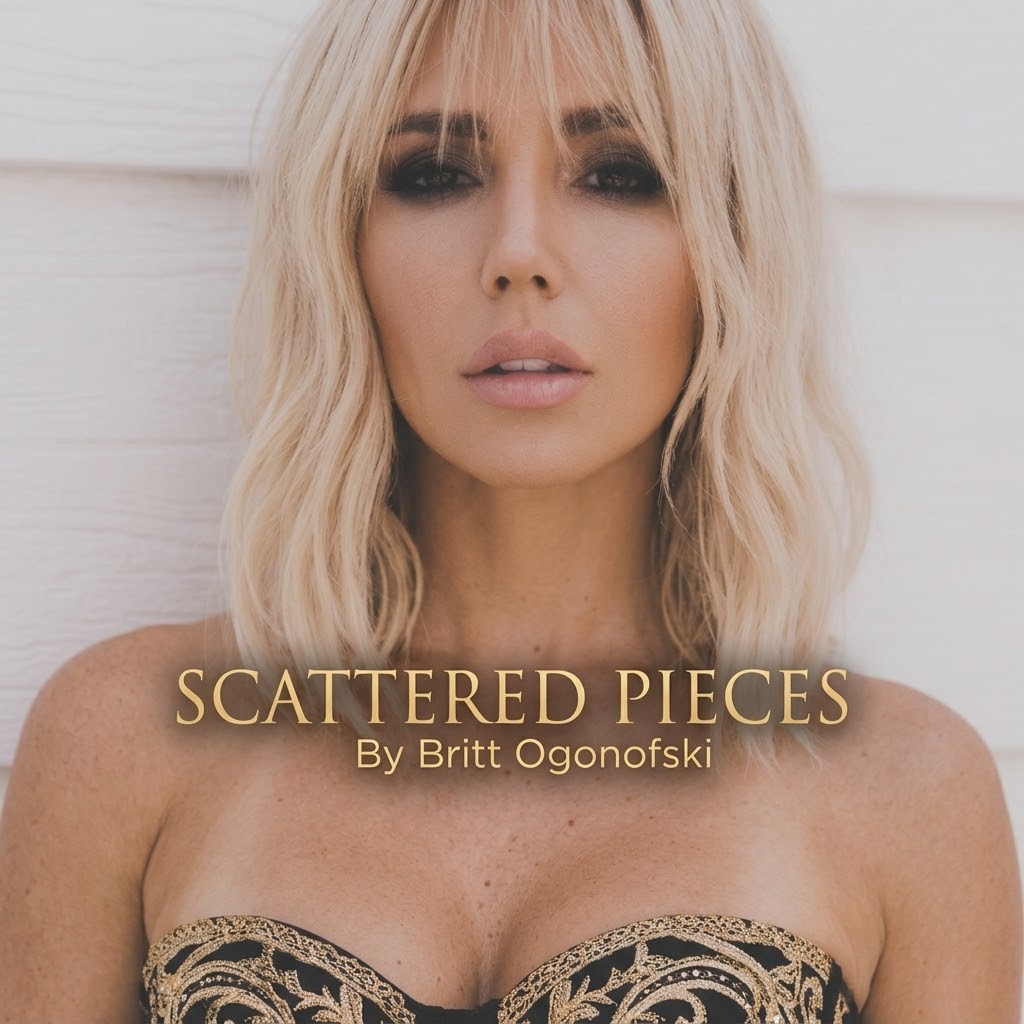
Independent singer-songwriter and AI music designer Britt Ogonofski is exploring this approach through original songwriting and AI-assisted production. Britt writes all the lyrics and records their own singing, using those recordings as vocal references in Suno, an AI music creation platform. Through prompts and creative direction, Suno helps develop melodies and musical arrangements around the original lyrics.
This process is reflected in Scattered Pieces, Ogonofski’s debut album. Blending modern pop, country influences, and edgy, soulful sounds, the album explores heartbreak, love, personal growth, and the experiences that shape who we become. Britt also explores EDM and chill house versions, bringing different rhythms and energy to musical stories.
Despite its growing popularity, AI music faces criticism from musicians and listeners concerned about authenticity, originality, copyright, and its impact on human artists. These concerns deserve consideration. However, AI-assisted music can also provide an outlet for people who may not have the resources, technical skills, or financial means to produce music through conventional methods.
The ability to express personal experiences through music should not necessarily depend on access to a recording studio or expensive production equipment. For some creators, AI offers a way to turn lyrics, recorded vocals, and musical ideas into something tangible and shareable. It does not mean everyone must embrace AI music, but it does invite a wider conversation about accessibility and creative expression.
From The Beatles’ use of AI-assisted audio separation to the chart success of “Walk My Walk” and independent artists experimenting with Suno, artificial intelligence is becoming part of the wider music landscape. The important questions are how these tools are used, how creators are credited, and how technology can expand opportunities while respecting artists’ rights.
Ultimately, AI can open new doors for musical creativity. For artists like Britt Ogonofski, it offers another way to turn original ideas and personal stories into music and share them with the world.
Britt Ogonofski on Spotify: https://open.spotify.com/artist/brittogonofski
Check out Britt Ogonofski on Amazon: https://amazon.com/music/player/artists/B0HLDTNFJZ/britt-ogonofski


